

How We Clean & Sanitize Our Controlled-Environment Grow Room
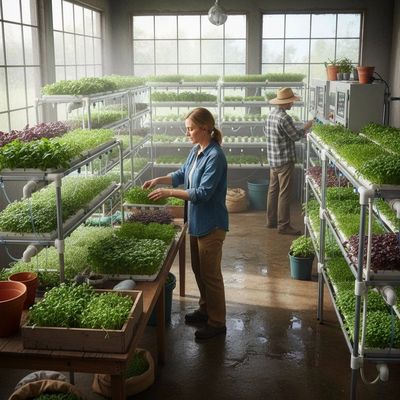
At Verdant Harvest Farms, food safety and freshness are non-negotiable. Because we grow in a controlled indoor environment, we’re able to keep our growing and packing areas clean, organized, and consistently monitored.
Below is a transparent look at the real steps we take to keep our facility and equipment clean for both microgreens and hydroponic greens.
Clean vs. Sanitize (what’s the difference?)
· Cleaning removes visible dirt and organic material (plant debris, soil/medium dust, algae buildup, sticky residues).
· Sanitizing reduces microbes on a clean surface using an approved sanitizer at the correct concentration and contact time.
We always clean first, then sanitize. Sanitizer can’t work properly if it’s applied on top of residue or biofilm.
Our Facility Cleaning Routine (CEA grow + harvest/pack areas)
We follow written Standard Operating Procedures (SOPs) and complete cleaning and sanitizing tasks on multiple schedules:
Daily (and as needed during harvest/packing)
We focus on the surfaces and tools that touch product or are used around product: - Harvest and packing tables - Scales, bins/totes, and tools - Sinks and handwashing areas - High-touch points (handles, switches, refrigerator handles)
Typical process: 1. Remove debris (dry wipe/sweep first) 2. Wash with a food-safe cleaner and scrub where needed 3. Rinse with clean water 4. Sanitizeusing a labeled sanitizer at the proper concentration and contact time 5. Air-dry(to avoid re-contaminating surfaces)
Weekly (deep clean)
We do a more thorough reset of the grow and work areas: - Racks and shelves - Floors and floor edges - Carts and transport bins - Fan guards and accessible equipment surfaces - Floor drains(a common place where microbes can build up)
Monthly and yearly (preventive + detailed cleaning)
We also maintain the “behind the scenes” equipment that keeps the environment stable: - HVAC and dehumidifier filters/intakes (per manufacturer guidance) - Hard-to-reach areas behind and under equipment - Condensation-prone spots (to help prevent mold)
Hydroponic System Cleaning (reservoirs, pumps, lines, and tables)
Hydroponic systems can develop mineral scale, algae, and biofilm over time. To prevent that, we use a consistent cleaning schedule.
Regular flushes
· We complete hydroponic system flushes every 28 days (about 13 times per year).
Yearly deep detail sanitization
· We complete a deep, detailed sanitization yearly, including internal system components as appropriate.
Ongoing prevention
We also use practical steps that reduce the chance of algae and buildup: - Keeping reservoirs protected from light (to discourage algae) - Removing plant debris promptly - Cleaning filters and checking flow paths regularly - Monitoring key growing conditions (like temperature and humidity) to support freshness and shelf life
Sanitizers and safety
We use hydrogen peroxide and other organic-compliant sanitation methods that are appropriate for use in certified organic food production and processing in the United States, and we follow label directions for: - Proper dilution/concentration - Required contact time - Rinsing steps (when applicable)
We never mix chemicals, and we store and handle cleaning products safely.
Product handling note (washing/rinsing)
We do not rinse or wash our microgreens or hydroponic greens after harvest.
Because kitchens and preferences vary, we recommend that customers rinse/wash prior to eating.
Training and certifications
We invest in food-safety training and responsible handling practices, including: - ServSafe - GAP training (Good Agricultural Practices)
We are also actively working toward becoming Certified Organic.
Why this matters for you
A strong sanitation routine helps us: - Maintain consistent quality and freshness - Reduce the risk of contamination - Deliver clean, crisp microgreens and hydroponic greens with excellent shelf life
If you ever have questions about our growing practices, we’re happy to share more. Transparency is part of how we serve our community.
FAQ
Do you use pesticides or chemical sprays?
No. We grow using no chemical pesticides and focus on clean, controlled growing conditions.
Are your seeds organic and non-GMO?
Yes. We use non-GMO seeds and prioritize organic seed whenever available.
Do you wash your microgreens and hydroponic greens?
We do not wash or rinse our product after harvest. We recommend that customers rinse/wash prior to eating.
What do you use to sanitize your facility and equipment?
We use hydrogen peroxide and other organic-compliant sanitation methodsappropriate for use in certified organic food production and processing in the United States, and we follow label directions for concentration and contact time.
How do you keep your products fresh?
We harvest close to delivery, cool product promptly, and maintain cold storage to support freshness and shelf life.
Are you Certified Organic?
Not yet. We are actively working toward becoming Certified Organic.
Can I see your food-safety practices?
Yes. We’re happy to answer questions about our cleaning routines, handling practices, and storage standards.
Farm Tours
Come visit Verdant Harvest Farms Farm and experience the beauty of our working farm. We offer guided tours that showcase our farming methods and allow visitors to interact with our animals. You'll have the opportunity to learn about sustainable agriculture and the importance of small-scale farming.
Farmers Markets
Find us at your local farmers market and taste the difference of fresh, organic produce and pasture-raised meats. We attend farmers markets throughout the region and offer a variety of seasonal products. Be sure to stop by our booth and say hello!
Volunteer Opportunities
Interested in learning more about sustainable agriculture and getting your hands dirty? We offer volunteer opportunities throughout the year, where you can work alongside our farmers and learn about the day-to-day operations of our farm. It's a great way to give back to your community and learn new skills.
Contact Us
Have questions about our farm or want to place an order? Contact us today and we'll be happy to help. You can reach us by phone, email, or by filling out the form on our website. We look forward to hearing from you!